

The short answer: choose a dog life jacket that fits your dog’s chest securely, keeps their body supported in the water and stays in place without restricting the shoulders. A rescue handle, bright color, adjustable straps and balanced buoyancy are all useful. Most importantly, a life jacket should always be used with close supervision.
A good water day looks easy from the outside: a quick splash, a happy tail and a dog who seems ready for the pool, beach or boat. But swimming ability varies a lot. Some dogs glide naturally, while others tire quickly, paddle unevenly or struggle to keep their head comfortably above water.
That is where a well-fitted dog life jacket helps. It adds flotation support, improves visibility and gives you a safer way to guide your dog near the pool edge, dock, boat or shoreline. It is not a replacement for supervision, but it is one of the smartest pieces of gear to consider before your dog spends time around water.
At Paws Circle, our dog life vest collection includes swim-ready styles designed for supervised pool days, beach trips, boat rides and summer outings. This guide walks through what to check before buying, from sizing and buoyancy to rescue handles, chin support and comfort.
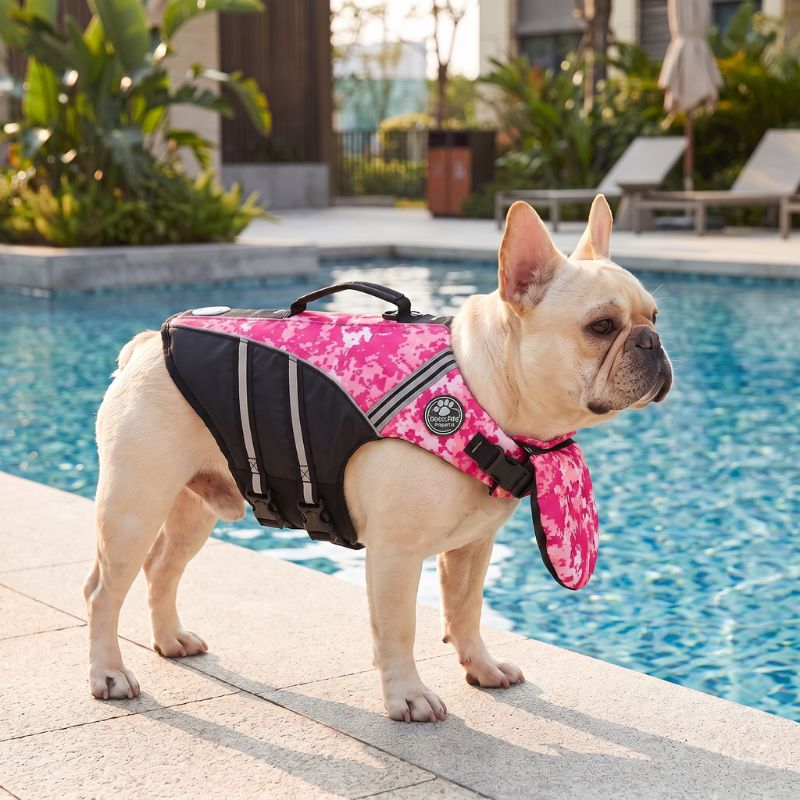
Does Your Dog Really Need a Life Jacket?
A dog life jacket is worth considering for any dog spending time in or around water, not only dogs that are nervous swimmers. Even confident swimmers can become tired, surprised by deeper water or distracted by waves, currents and slippery exits.
The American Kennel Club notes that life jackets can help dogs conserve energy, improve visibility and support dogs who are less naturally suited to swimming. That includes puppies, senior dogs, stockier breeds, short-muzzled dogs and dogs with lower stamina.
Body shape matters too. A lean dog, a broad-chested dog and a flat-faced dog may all sit differently in the water. Some dogs need general buoyancy around the body, while others benefit from extra support near the front or chin area.
For everyday pet parents, the practical rule is simple: if your dog will be near a pool, lake, beach, boat, kayak or paddleboard, a life vest is a smart precaution.
Dog Life Jacket vs Dog Life Vest
People often use “dog life jacket” and “dog life vest” interchangeably, and many stores do the same. The name alone should not decide your purchase.
Instead, look at the design. A more supportive dog life jacket usually offers broader flotation coverage, secure belly straps and a handle for close assistance. A lighter dog life vest may suit calmer, supervised swimming where your dog mainly needs extra confidence and visibility.
The better question is not what the item is called, but whether it matches your dog’s body and the activity you have planned.
For example:
- Pool practice needs comfort, free shoulder movement and easy adjustment.
- Beach or lake outings need visibility, buoyancy and a secure fit.
- Boating and paddleboarding need dependable handles and close supervision.
- New swimmers may benefit from extra front support.
Start With the Right Measurements
Breed and weight can help as a rough guide, but they are not enough on their own. Two dogs of the same weight can have completely different chest shapes, neck sizes and back lengths.
For most dog life jackets, the chest measurement is the most important place to start.
How to Measure Your Dog for a Life Jacket
Chest girth: Measure around the widest part of your dog’s rib cage, directly behind the front legs. Keep the tape level and close to the body without pulling tight.
Neck: Measure around the lower neck where the front of the vest will sit. This is usually lower than where a narrow collar rests.
Back length: Measure from the base of the neck toward the base of the tail. This helps confirm the vest supports the body without blocking the hind legs.
Weight: Use weight as a supporting reference unless the product size chart says otherwise.
Always compare your measurements with the size chart on the exact product page. Paws Circle life vests may vary by design, so the best size is the one that matches the individual product’s measurements, not only your dog’s usual clothing size. You can also review our Size Guide before ordering.
What a Correct Fit Should Feel Like
A dog life jacket should feel secure, not tight. You should generally be able to slide two fingers beneath the straps. The vest should not twist, ride forward, slide over the head or rub heavily around the front legs.
Before heading into water, test the fit on dry land. Your dog should be able to stand, sit and walk naturally. The front edge should not block shoulder movement, because dogs need free front-leg motion to paddle.
Then test the vest in calm, shallow water. Watch from the side. The body should stay reasonably level, the vest should remain centered and the neck opening should not allow a leg to slip through.
Do not size up just to make the vest feel roomy. An oversized dog life jacket can shift in water, which makes it less supportive and less secure.
Look for Balanced Buoyancy, Not Just Bulk
More padding does not automatically mean better support. A good dog life jacket should place buoyancy where it helps your dog maintain a natural swimming position.
The vest should support the body without rolling your dog to one side or forcing the rear too high. It should help your dog float while still allowing comfortable paddling.
Some Paws Circle styles include chin-support designs, such as our ChinGuard life vest options. This kind of front support can be helpful for dogs who need extra help keeping the head area comfortably positioned, including new swimmers, senior dogs and some short-muzzled breeds.
Chin support is helpful, but it still does not replace correct sizing, gradual introduction or close supervision.
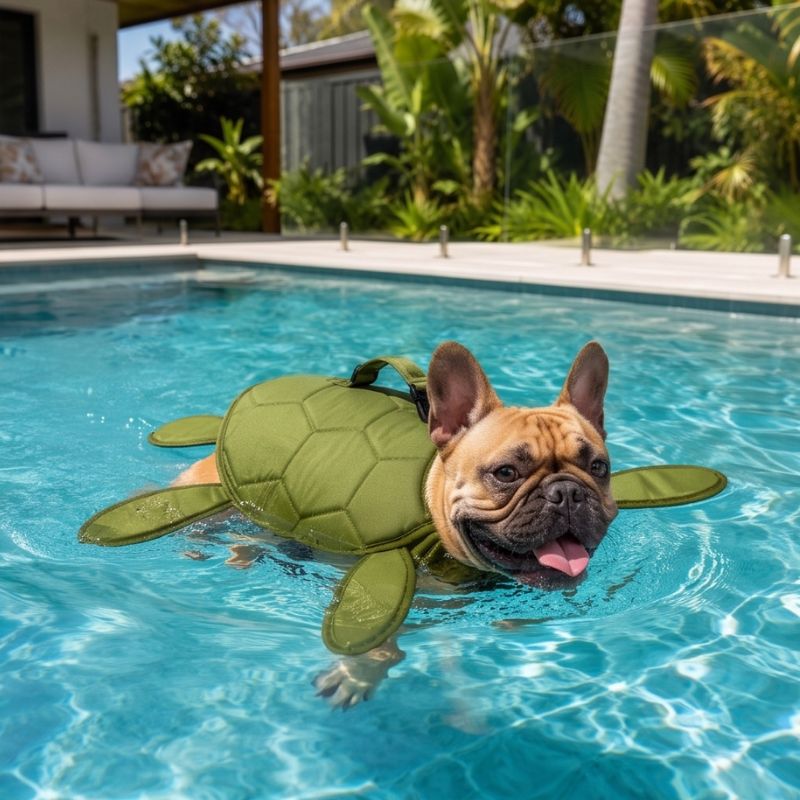
Seven Features Worth Checking Before You Buy
1. A Secure Rescue Handle
A top handle helps you guide your dog in shallow water or assist them near a dock, boat, pool step or paddleboard. It is especially useful when your dog is learning, tired or unsure where to exit.
2. Adjustable Straps
Adjustable neck and belly straps help create a snug fit around different body shapes. The straps should stay secure when wet and should not leave long loose ends that can catch.
3. Bright Color or Standout Design
Visibility matters. Bright colors, bold patterns and reflective details can make it easier to spot your dog against water, sand or pool surroundings.
4. Comfortable Belly Support
Look for a design that supports the body without digging into the chest or belly. Smooth support under the torso can feel more comfortable when guiding or assisting your dog.
5. Shoulder Freedom
The front legs need room to paddle. Avoid any fit that rubs the armpits, blocks the shoulder joint or makes your dog walk stiffly before they even reach the water.
6. Appropriate Neck or Chin Support
The front panel should sit securely without pressing into the throat. If your dog tends to dip the head low in water, a chin-support life vest may be worth considering.
7. Durable Water-Ready Construction
Check seams, webbing, buckles and handle attachment points. After use, rinse and air-dry the vest fully. Retire any life jacket with torn fabric, damaged foam, loose straps or weakened hardware.
Choose for the Activity, Not Just the Photo
A life vest should look good, but it also needs to match the water activity.
For pool practice, prioritize comfort, adjustment and a calm introduction. For beach, lake or river days, prioritize visibility, balanced flotation and an easy exit point. For boating, kayaking or paddleboarding, prioritize a secure fit, dependable handle and close supervision.
The American Red Cross advises choosing the right type of life jacket for the activity, checking fit and inspecting buckles and straps before use. That advice is written for human water safety, but the same mindset applies to pets: gear should fit properly, function correctly and be checked before every water session.
Introduce the Life Vest Before the Water
A life vest can feel strange to a dog, especially if it is thicker than their usual clothing. Let your dog sniff it at home first. Place it over their back briefly, reward calm behavior and slowly build up to fastening the straps.
Try a short indoor wear session, then a brief walk. Once your dog is comfortable, move to calm, shallow water with a clear exit point. Stay close and keep the first swim short.
Never throw a dog into water to test whether they can swim. A confident introduction creates a much better association with the vest and the water.
Water Safety Still Comes First
A dog life jacket is a flotation aid, not permission to leave a dog unattended. Conditions can change quickly, and even calm water can present risks such as slippery edges, cold temperatures, waves, currents, fatigue or panic.
Before every swim session:
- Check the straps, buckles, handle and seams.
- Start in calm, shallow water.
- Make sure your dog knows where to exit.
- Stay close enough to assist.
- Bring fresh drinking water.
- Discourage drinking from pools, lakes or the sea.
- Rinse the vest after chlorine or salt water.
- Air-dry the vest fully before storage.
- Stop if your dog is shivering, panting heavily, swallowing water or losing coordination.
A Simple Buying Checklist
Before choosing a dog life jacket, ask:
- Did I measure chest, lower neck and back length?
- Did I check the exact product size chart?
- Does the vest stay centered without twisting?
- Can my dog move their shoulders freely?
- Does the flotation support a natural position?
- Is there a secure top handle?
- Are the buckles, straps and seams well made?
- Is the color or design easy to spot near water?
- Have I tested the fit in calm, shallow water?
If the answer is yes, you are much closer to choosing a life vest that is comfortable, supportive and suitable for your plans.
Ready for Safer, Sharper Water Days?
The best dog life jacket is not simply the biggest or most padded option. It is the one that fits your dog’s shape, supports a natural swim position and suits the activity you have planned.
Measure carefully, introduce the vest gradually and keep supervision part of the routine. Then choose the style that fits your dog’s summer mood, whether that is sporty, playful, patterned or full-on poolside main character.
Explore the full Paws Circle Dog Life Vest collection for swim-ready styles with adjustable fits, rescue handles and standout designs for supervised pool, beach and boat days.
Frequently Asked Questions
Can all dogs swim naturally?
No. Swimming ability varies by breed, body shape, health, age, confidence and experience. Some dogs swim well, while others tire quickly or need extra support.
How tight should a dog life jacket be?
It should be snug enough not to twist, slide or pull off, but not so tight that it restricts breathing or movement. A practical starting check is room for two fingers beneath the straps.
Should I choose a dog life jacket size by weight or chest?
Follow the exact product size chart, but chest girth is usually the most important measurement. Weight and breed are useful supporting references because dogs with the same weight can have very different body shapes.
Does a strong swimmer need a life jacket on a boat?
Yes, it is a sensible precaution. A fall can be unexpected, and even a strong swimmer may be tired, startled or far from an easy exit point.
What is the benefit of a dog life vest with chin support?
Chin support can help keep the head area more comfortably positioned in water. It may be especially useful for new swimmers, senior dogs, short-muzzled breeds or dogs that tire quickly.
Can my dog wear a life jacket as a walking harness?
Only if the product specifically says it is designed for that use. A handle or leash ring does not automatically make every flotation vest suitable for everyday walking.
How should I care for a dog life jacket?
Follow the product instructions. In general, rinse after chlorine, salt or dirty water, clean gently, air-dry completely and inspect the foam, handle, straps and buckles before reuse.